

So you’ve got your keyring to hand, you find a tired, thirsty bee on your travels, and you’re wondering how to use your bee revival kit.
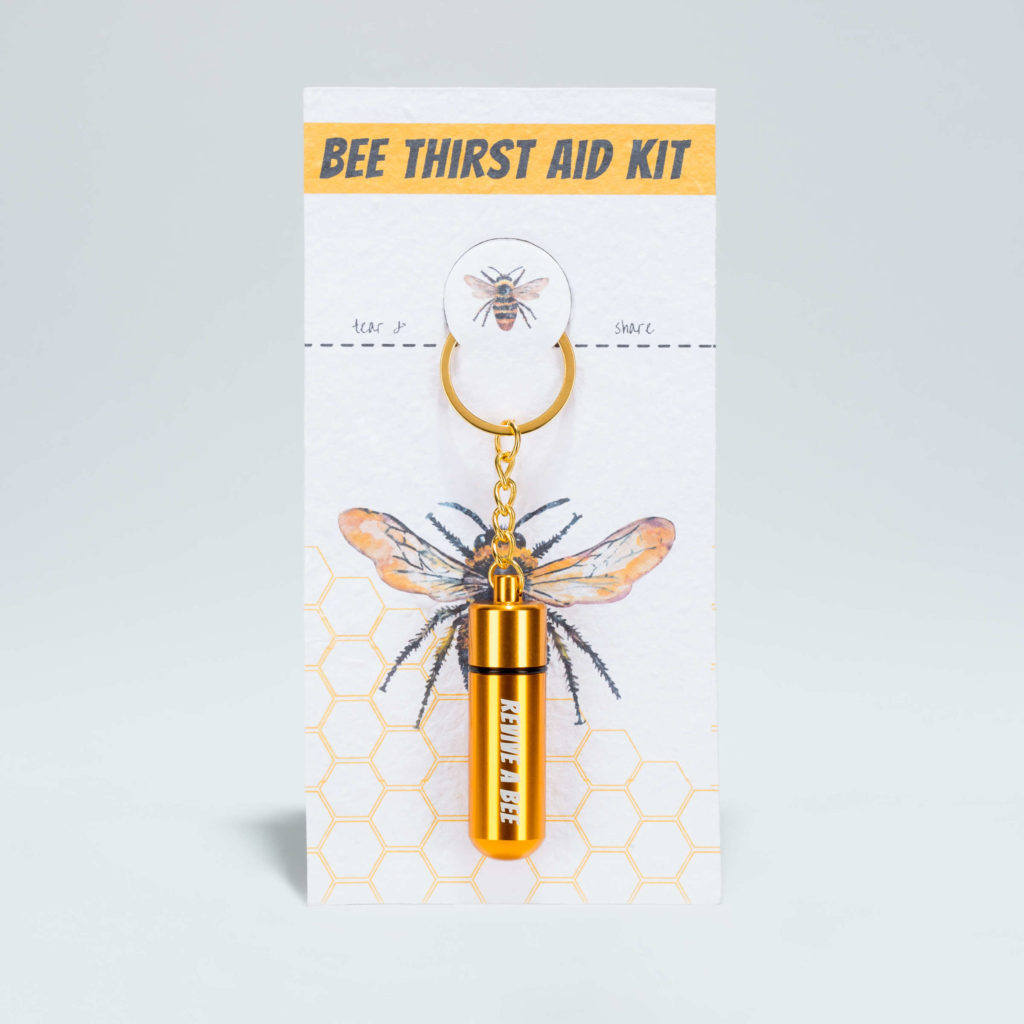
We’ve created an in-depth how-to guide for you, detailing the safest and most effective way to use your Bee Revival Kit. What’s contained inside our Bee Revival Kits:
- 1x Revive a Bee – Bee Revival Kit (containing a vial of syrup specifically designed for bee nutrition and consumption)
- 1x (Optional) Plantable Seed Paper Backboard (containing UK native seeds including Daisy, Poppy and Forget Me Not)
Opening your compostable cellophane
When you first receive your Revive a Bee keyring, it will be packaged in compostable cellophane.
You can either peel off the adhesive flap at the bottom of the package or tear it across the top of the package. Add the waste to your compost heap, and it will break down over time, leaving no nasty chemicals behind.
Plantable Seed Packaging
We operate a Flower First Policy here at Revive a Bee. This means that before any other method, the best way to help bees and pollinators is to plant pollen and nectar-rich flowers.
This led us to plantable packaging and incorporating bee-friendly seeds that every single one of our supporters can grow.
Identifying if a Bee needs help
With great power comes great responsibility! No, but it’s essential to understand when and where a bee may need your assistance and any instances where they would not.
When to help
First of all, planting your Wildflower seed packaging will always help bees over and over again.
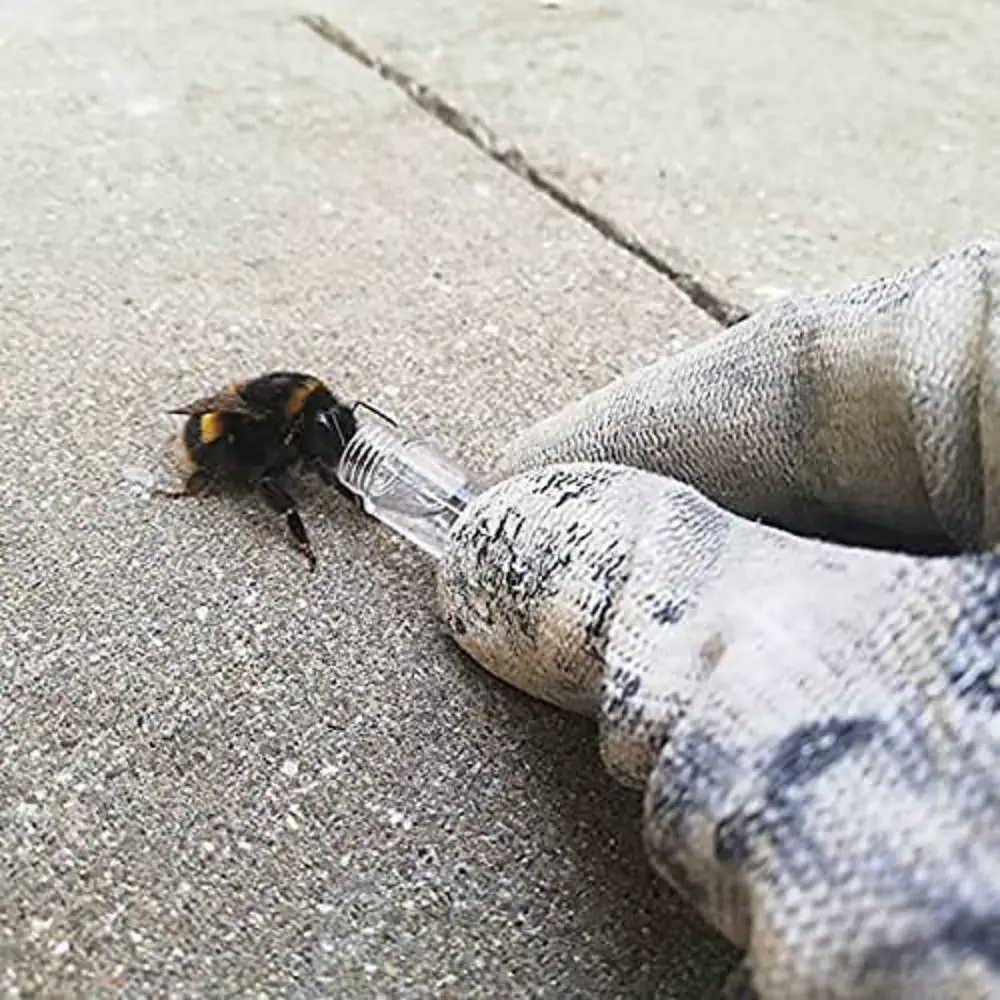
Planting pollen and nectar-rich species will create resource-rich areas for bees and pollinators alike. Your Bee Revival Kit is perfect for finding a tired, thirsty bee in a resource-poor area.
A distinct lack of flora viable for bees defines a resource-poor area. These areas often include heavily built-up residential areas, commercial grounds, train stations, airports, and any large-scale urban hubs.
In short, if you’re surrounded by buildings and concrete as far as the eye can see, you’re undoubtedly in a resource-poor area for bees and pollinators. If you find a bee in an area with busy footfall or passing vehicles, use a leaf or sheet of paper to carefully remove her/him to safety.
When not to help
Just like us, bees also have a natural life cycle, and just like us, it eventually runs out. Much as it is to know when to help, it’s equally important to know when not to help.
If you find a bee in a resource-rich area such as a meadow, garden, wood, forest or coastal area, we strongly recommend not trying to help.
This comes down purely to the resources already available; if a bee is surrounded by pollen- and nectar-rich flowers, they will not gain any benefit from the specially formulated syrup in our Bee Revival Kits.
Opening your Bee Revival Kit
So you’ve assessed the situation and established your bee needs help…To open your Bee Revival Kit, place the top of the capsule firmly in your dominant hand and rotate the lower half of the capsule anti-clockwise until it opens.
When required, you can repeat this process to open the vial contained inside.
Using your Bee Revival Kit
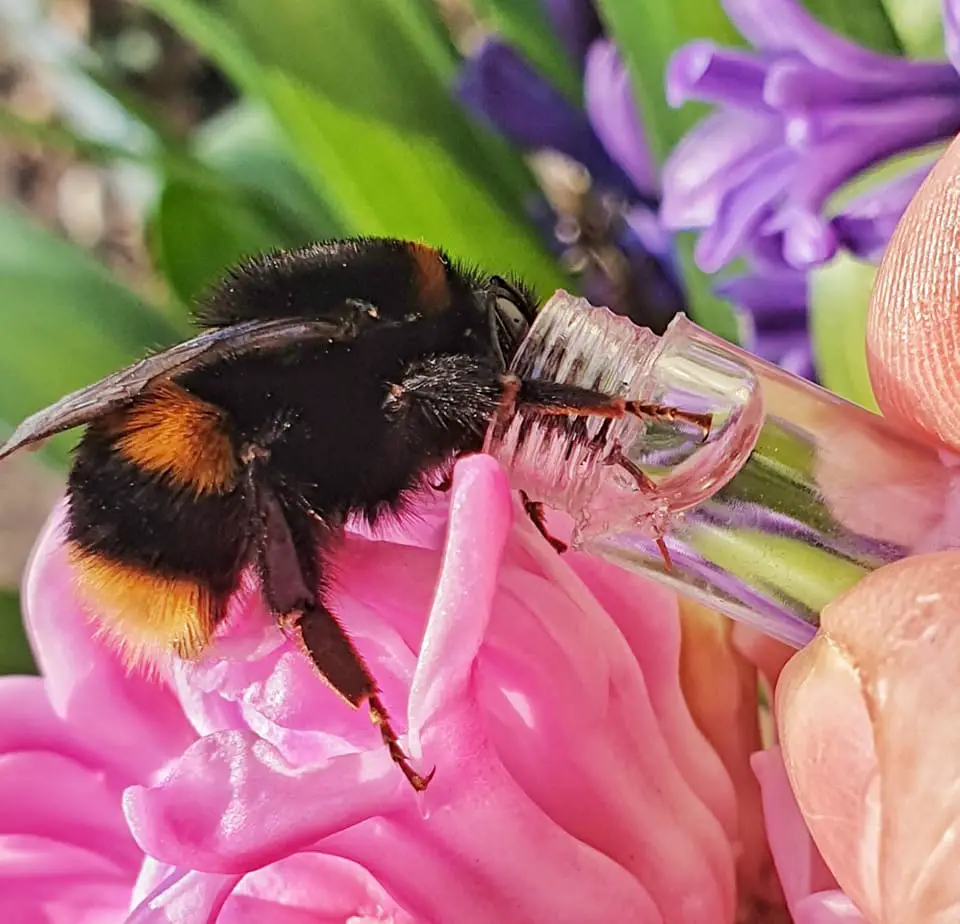
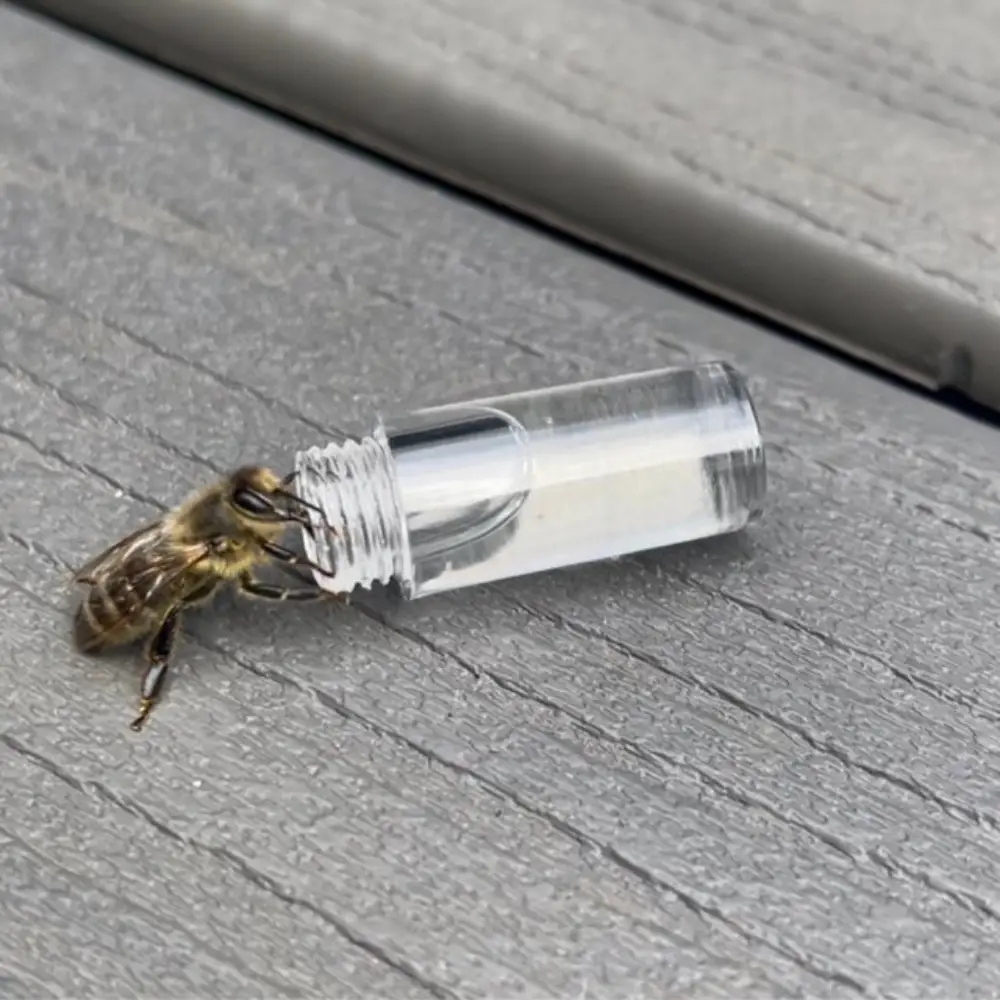
Approach the bee carefully to avoid startling or distressing it in any way, and place your vial close to the bee. You mustn’t hassle or force the bee to try to drink.
If it needs sustenance, it will quickly sense the high fructose content in our syrup and start feeding until it’s full. In most cases, a bee will only feed for a few seconds, but if particularly exhausted, it may stay longer.
Ensure your bee isn’t hassled or moved while feeding, as it may feel unsafe and fly away before it’s finished.
How to refill your kit
Each of our kits will be suitable for saving two to three bees without needing to be refilled (unless you run into a particularly thirsty bee).
When it comes to the time you need to refill your refill kit, you have two options:
Conclusion
So, we’ve covered in detail how to use your bee revival kit. The only thing left now is to get outside, start planting and start saving bees!